

The Gambler’s Fallacy Explained
The gambler’s fallacy is a prevalent misconception in the world of gambling that suggests past outcomes can influence future events in games of chance, such as roulette or slot machines. For example, players often believe that if a particular number on a roulette wheel hasn’t appeared in a while, it is “due” to come up soon. This belief can lead to misguided betting strategies that ignore the fundamental nature of probability, especially when players seek out options like ontario casino fast withdrawal to recover losses. In reality, each event in these games is independent, meaning previous results do not impact the odds of future outcomes.
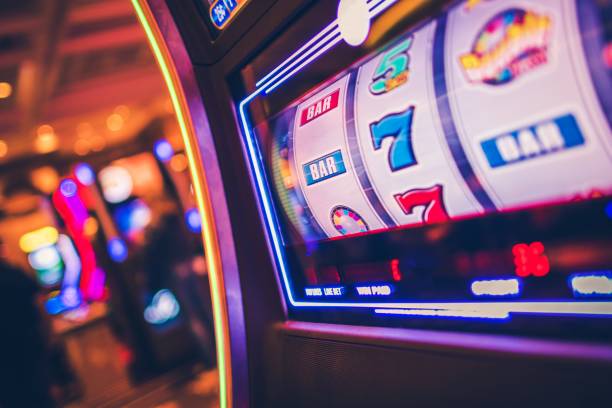
This misunderstanding is rooted in the human tendency to find patterns in randomness. While it may seem logical to assume that a number must come up after a long absence, the truth is that each spin of the roulette wheel or pull of the slot machine lever is a separate event governed by fixed mathematical probabilities. The odds remain consistent regardless of how long a player has been waiting for a certain outcome to occur, and this independence is crucial to understanding how these games operate.
Recognizing that the odds are static allows players to break free from the chase of losses driven by flawed reasoning. By educating themselves about the mathematical realities of casino games, players can eliminate superstitions and improve their overall gaming strategy. This knowledge empowers individuals to make informed decisions based on probability rather than emotional reactions, ultimately leading to a more enjoyable gaming experience.
The Truth About “Hot” and “Cold” Machines
The idea of “hot” and “cold” machines is another common myth that persists in casinos, particularly concerning slot games. Many gamblers believe that certain machines are on a winning streak, while others are due for a significant payout. This belief often leads players to become fixated on specific machines, thinking that their previous outcomes dictate future performance. However, this notion is a misconception that stems from a lack of understanding regarding how slot machines function.
In reality, each slot machine operates independently through a random number generator (RNG), ensuring that outcomes are entirely random and devoid of any discernible patterns. The idea of a hot machine is often just an observation of coincidence; players may notice a particular machine paying out frequently, but this could simply be due to luck rather than any inherent quality of the machine itself. Understanding this aspect can significantly change how players approach their gaming experience.
By shifting the focus away from targeting specific machines based on past outcomes, players can instead concentrate on selecting machines they enjoy or those that fit within their budget. Emphasizing the entertainment value of gaming rather than chasing statistical myths can lead to a more enjoyable and fulfilling experience. Ultimately, recognizing that there are no “hot” or “cold” machines can help players adopt a healthier mindset towards gambling, reducing the stress and pressure that often accompany the pursuit of winning combinations.
Myth of the ‘Best’ Time to Play
Many gamblers operate under the misconception that there are optimal times to play, whether during the day or night. This myth suggests that casinos may have different payout rates or odds depending on the time of day, leading players to believe that they can maximize their chances of winning by choosing specific hours to gamble. However, this belief lacks any statistical foundation and does not hold true in practice.
Casinos design their operations to ensure that game odds remain consistent throughout all hours of operation. The idea that players might experience better odds late at night or early in the morning is often based on anecdotal experiences rather than empirical evidence. The randomness of outcomes guarantees that timing has no impact on game results, making it crucial for players to recognize that their experiences may be influenced more by perception than reality.
Players can benefit from discarding this myth and instead focusing on when they feel most comfortable and alert. By choosing to play at times that align with their personal schedules and energy levels, players can enhance their overall gaming experience. Embracing the knowledge that there is no “best” time to play allows individuals to enjoy the gaming environment without the pressure of trying to game the system, ultimately fostering a more relaxed and enjoyable atmosphere.
Casino Games Are Rigged: A Closer Look
A common belief among players is that casino games are rigged, leading to distrust and skepticism regarding the fairness of gaming. This myth often arises from instances where players experience perceived unfairness or significant losses, prompting them to think that the odds are manipulated in favor of the house. However, licensed casinos must adhere to strict regulations that ensure fairness in all games, making this belief unfounded.
Most reputable casinos employ third-party auditing firms to verify that their games are fair and that their random number generators are functioning correctly. These audits provide transparency and help maintain the integrity of the games offered. Additionally, the nature of gambling inherently involves risk and unpredictability, which can lead to a misinterpretation of fairness based on individual experiences. Understanding that casinos are held to high standards can help alleviate concerns about rigged games.
When players recognize that casinos operate under strict guidelines, they can engage in gaming with a greater sense of trust and confidence. This understanding can alleviate any anxiety regarding fairness and allow players to focus on the enjoyment of their experience. By fostering an environment where players feel secure in the integrity of the games, casinos can enhance the overall gaming experience and encourage responsible play.
Understanding Casino Regulations and Resources
Navigating the world of casinos can be challenging, particularly in light of the numerous myths and misconceptions that abound. To combat this, it is crucial for players to seek out reliable resources that provide accurate information about gaming regulations and how they impact their experiences. Various regulatory bodies oversee casino operations, ensuring that games are fair and that players are protected from unscrupulous practices.
Educational websites, regulatory commissions, and consumer advocacy groups can offer valuable insights into casino operations, shedding light on how games work and what players can expect. By taking advantage of these resources, individuals can empower themselves with knowledge that demystifies the gaming process. Understanding the laws governing casinos can help players make informed decisions and mitigate concerns regarding fairness and integrity.
Ultimately, dispelling myths about casinos enriches the gaming experience and fosters a more enjoyable environment for all players. By seeking credible information and understanding the reality of casino operations, individuals can navigate the complexities of gambling with confidence. This informed approach not only enhances personal enjoyment but also encourages responsible gambling behavior, bridging the gap between myth and reality.